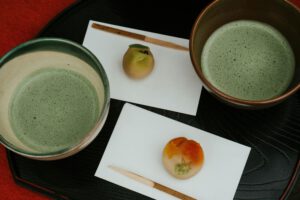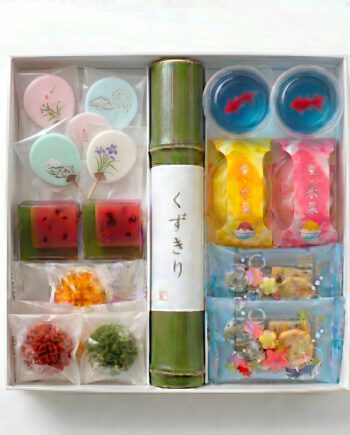

A Seasonal Gift, Offered Only Four Times a Year

A refined selection of Japanese sweets
nspired by the seasons,
released only four times a year
for gifting and special moments.

CONCEPT

A Gift Shaped by Japan’s Seasons

In Japan, gifts are often given with the seasons as expressions of gratitude and respect. Inspired by traditions such as ochugen and oseibo, 

WA reimagines that culture through Japanese confectionery.
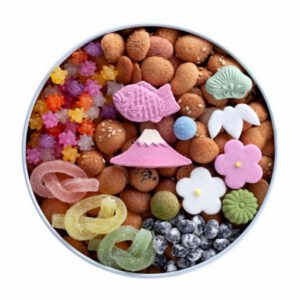
Our boxes are not for everyday snacking, but for meaningful occasions—filled with luxurious sweets chosen for their beauty, craft, and celebratory spirit.

More than sweets, WA offers a refined gift to be given, received, and remembered.

WHY WA

Gifts Have a Season in Japan
In Japan, gifts are not chosen at random. Traditions such as ochugen in summer
and oseibo at year’s end reflect a culture of giving that follows the seasons
—where gratitude, respect, and timing matter as much as the gift itself.
WA begins with that idea.
Only Sweets Worthy of the Occasion
We do not curate for everyday snacking. We choose Japanese sweets with the richness, beauty, and presence of those given on special occasions in Japan
—confections that feel generous, ceremonial, and unmistakably memorable.
The Box Completes the Gift
In Japanese gifting, presentation carries meaning. The box, the wrapping,
the balance, and the sense of ceremony are part of how respect is expressed.
That is why WA is designed not as a casual assortment, but as a gift to be offered, received, and remembered.

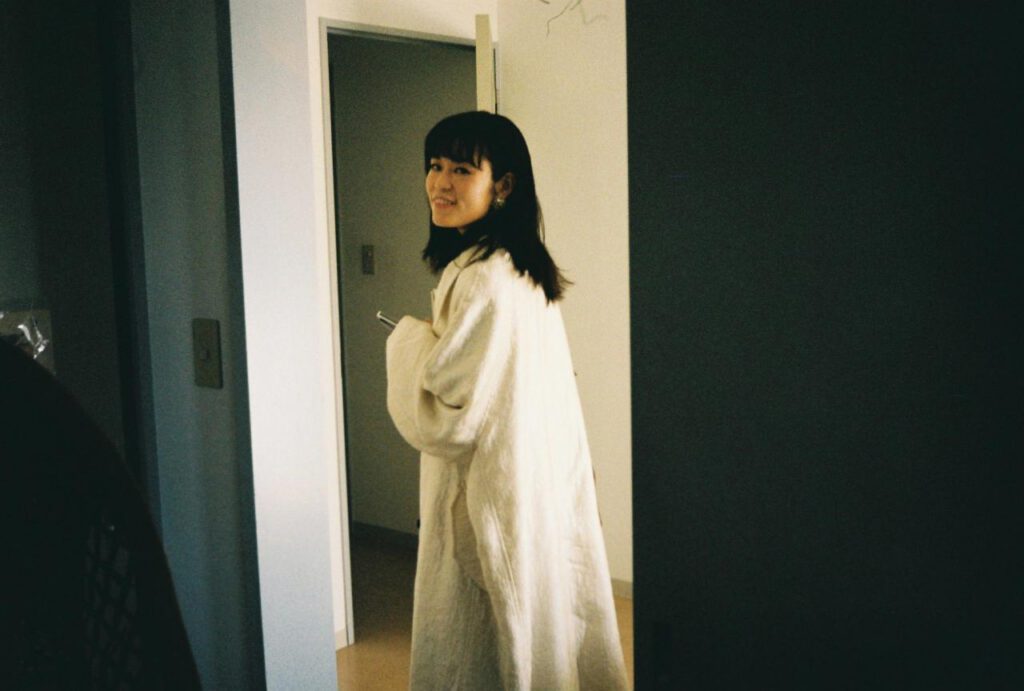
土田 ほのか

Honoka Tsuchida

Born in Kanagawa, 1996. Based in Tokyo.
After graduating university, I traveled — through countries, cultures, and countless conversations. In 2025, I came home with a purpose: to share what Japan quietly holds with the rest of the world.
Some things you only see from the outside.
Wandering through a souk in Istanbul, sitting in silence at a café in Copenhagen, watching the light change over the canals of Amsterdam —
I kept thinking about Japan. Not with nostalgia, but with clarity.
The closer I looked at other cultures, the more I recognized something at home that the world had yet to discover: a way of making things — with patience, with seasons, with soul — that belongs to no single craft, but runs through all of them.
Japan is shy about itself. But shyness is not the same as having nothing to say.
That thought became WA.

PRODACT

News